The Awaida family workshop
Soapmaking in Tripoli since 1880
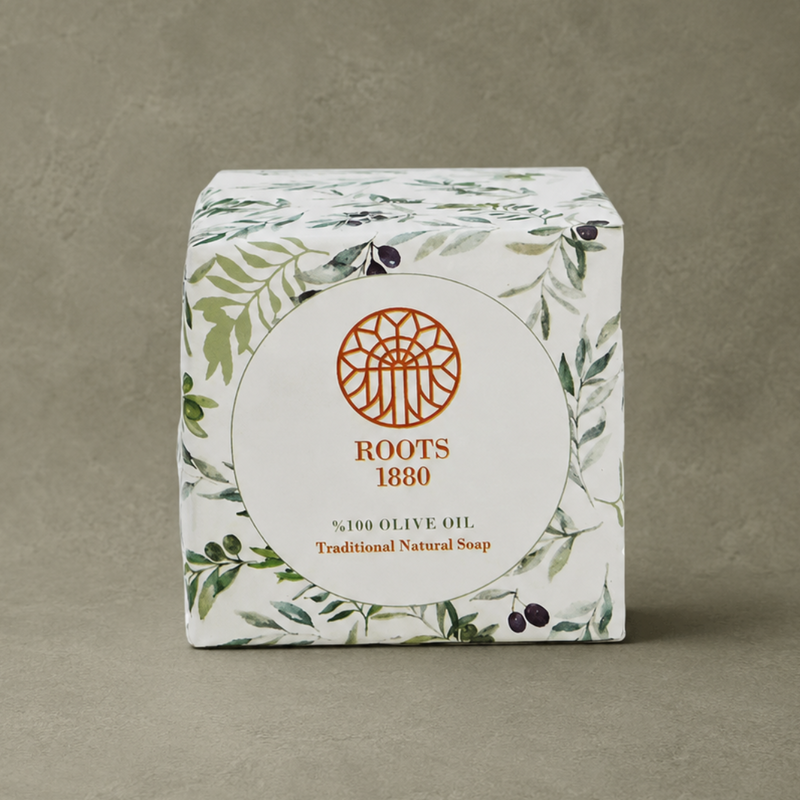
Masbanat Awaida is a family soap workshop in Tripoli, Lebanon. Founded by Haj Hussein Awaida in 1880, it continues today under his great-great-grandson Husni Awaida. The Traditional olive oil bar remains at its center, alongside a range shaped by the city's love of scented soap.
Tripoli, the soap city
Tripoli: olive oil, soap, and perfume
طرابلس، مدينة الصابون
- 3Soap cities
- Aleppo, Nablus and Tripoli, each with its own olive oil soap tradition.
- DozensWorkshops
- Operating in Tripoli in the first half of the 20th century.
- 1975Civil war
- The start of 15 years of war that closed most of them.
- 1880Masbanat Awaida
- Opened before all of it, and still making soap today.
Tripoli belongs to the soapmaking history of the eastern Mediterranean, alongside Aleppo and Nablus. Olive-growing land in northern Lebanon supplied the oil, while the city's markets and trading connections helped its soapmakers reach beyond the region. Making soap became part of the city's working life, connecting the harvest to workshops, merchants, and households.
The craft took more than one form. Plain olive oil bars served the household, with a place at the washbasin and in the daily routine. Scented soaps were shaped for gifts and guest rooms, while perfumed shavings were tucked into cupboards with the linens. Fragrance gave soap another role: something to offer, display, and enjoy around the home.
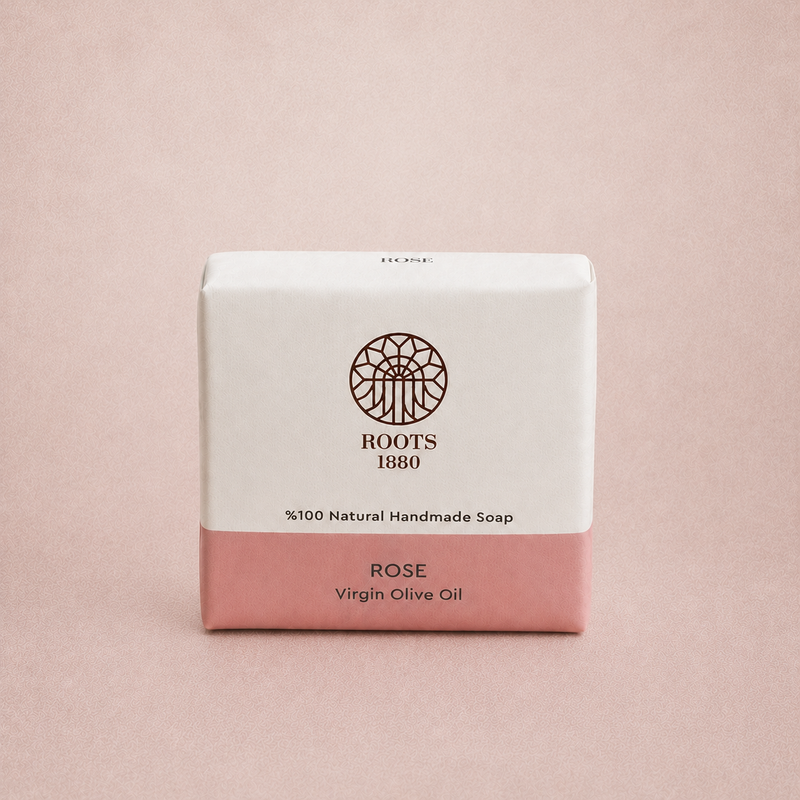
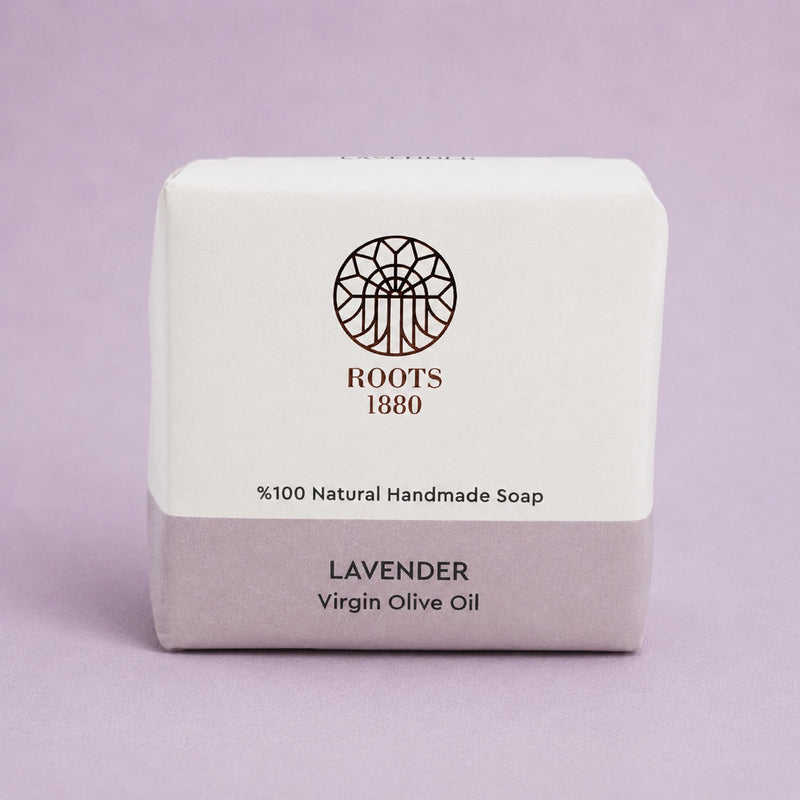
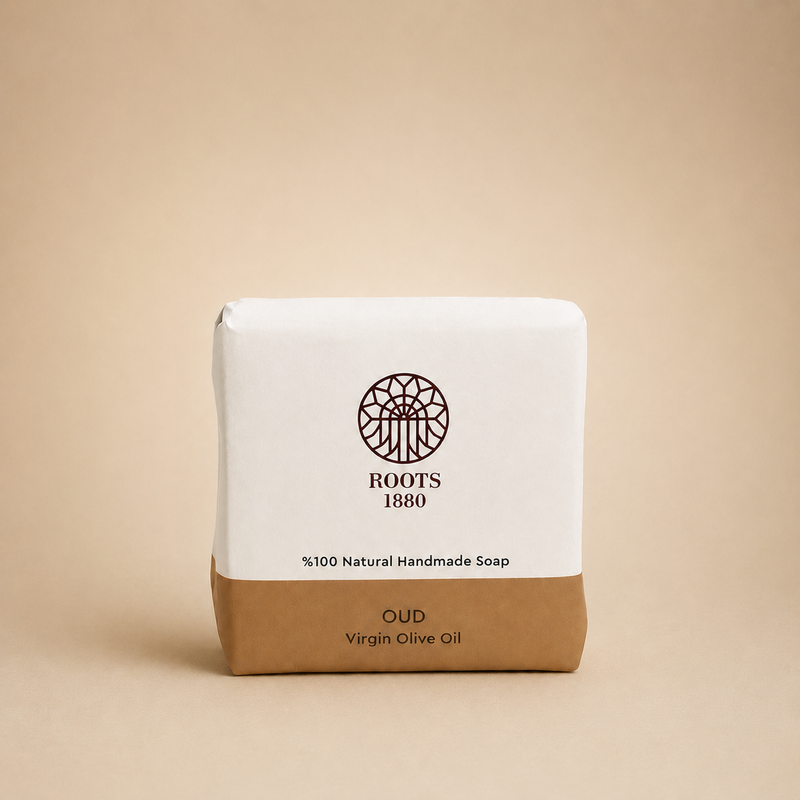
Both traditions still have a place at Masbanat Awaida. The unscented Traditional bar sits alongside perfumed olive oil soaps in rose, jasmine, lavender, oud, and other scents. Glycerine soaps offer another texture, liquid soaps belong beside the sink, and sachets bring fragrance to drawers and closets. The range has grown, but it remains connected to the same city and family workshop.
Soapmaking is the culture and heritage of my country.
The family and the workshop
A workshop built for the work, since 1880
In 1880, Haj Hussein Awaida opened a soapworks in Tripoli designed around the making of olive oil soap. The building provided room for every stage: storing the oil, cooking the batch, pouring and cutting the slab, and leaving the bars to cure. Five generations later, his great-great-grandson Husni Awaida continues the business with the team in Tripoli.
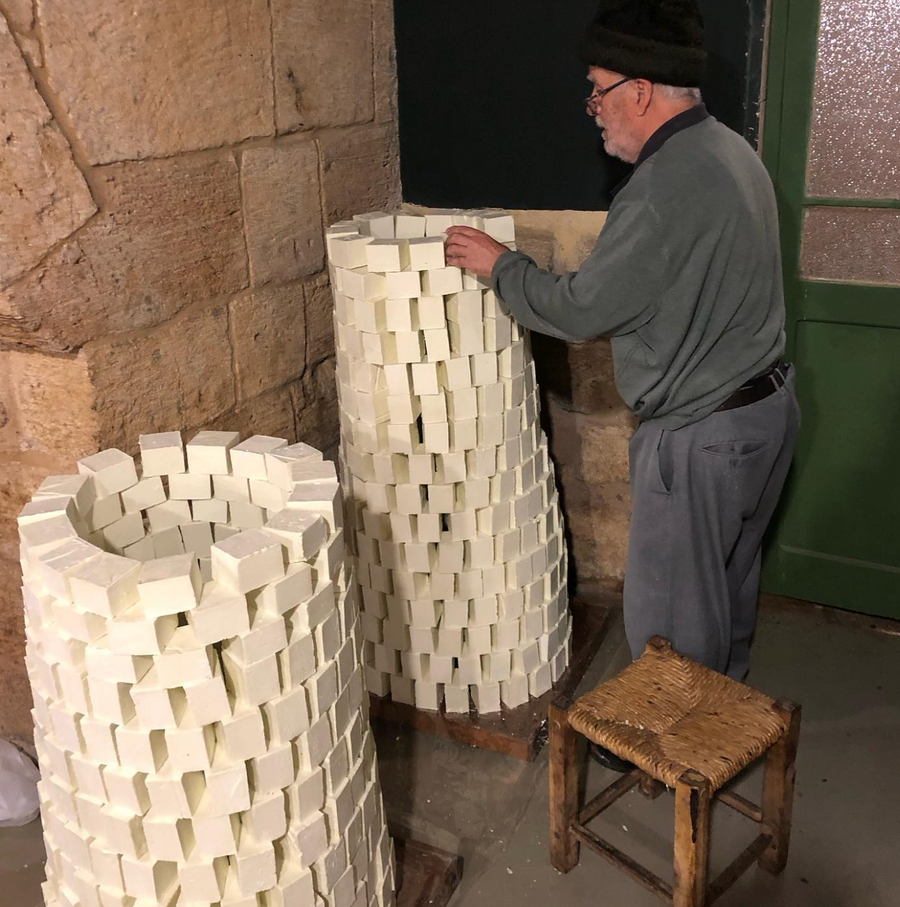
Inside, the rooms still make sense through the work they hold. Oil waits in storage before it reaches the open vats. Hot soap moves to the casting floor, where it sets into a broad slab before being marked, stamped, and cut by hand. The bars then move into open towers, stacked with spaces for air to pass between them as they dry over the following months.
Keeping the workshop working has required each generation to make decisions of its own. The family preserved the Traditional bar while developing other soaps and fragrances. In the finished original, you can still see the process: a cut edge, a pressed stamp, and the firmness that develops with drying. The building, the method, and the people remain parts of the same story.
The method
How Traditional soap is made
Cooked, cut, cured and stacked, then wrapped: four stages take the Traditional olive oil bar from the open vat to its finished packaging.
-
1 · Cooked

-
2 · Cut

-
3 · Cured and stacked

-
4 · Wrapped


The people
Knowledge passed across the workshop floor
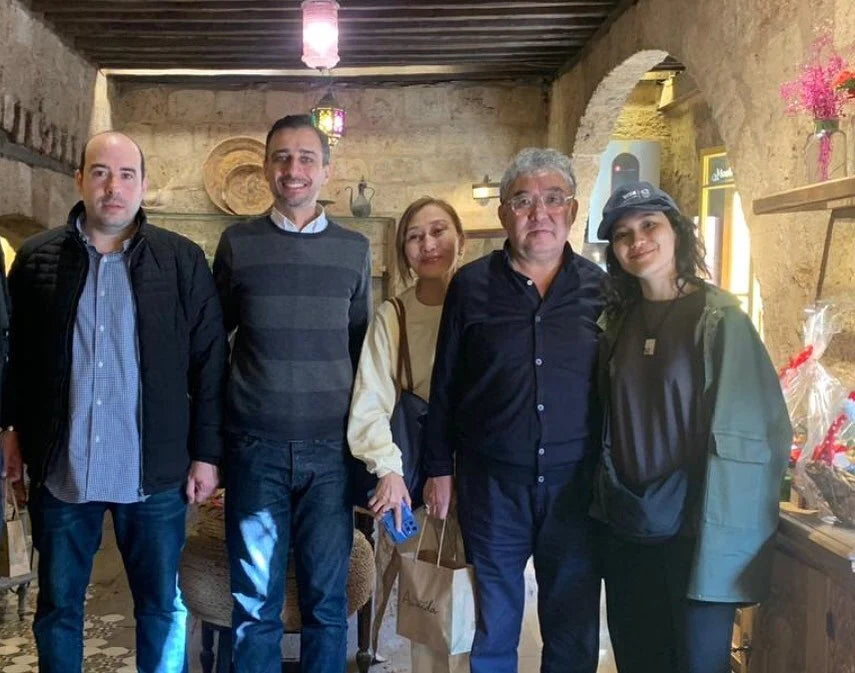
A recipe gives the ingredients. Experience tells a soapmaker how the batch should look before pouring and how firm the slab should feel before cutting. Stamping and stacking need their own rhythm and judgment. Some craftspeople have worked in the workshop for decades, and skills have passed between generations of workers as well as members of the family. Their work connects the bars sold today to the methods that came before them.

Roots 1880 in the U.S.
Masbanat Awaida and Roots 1880
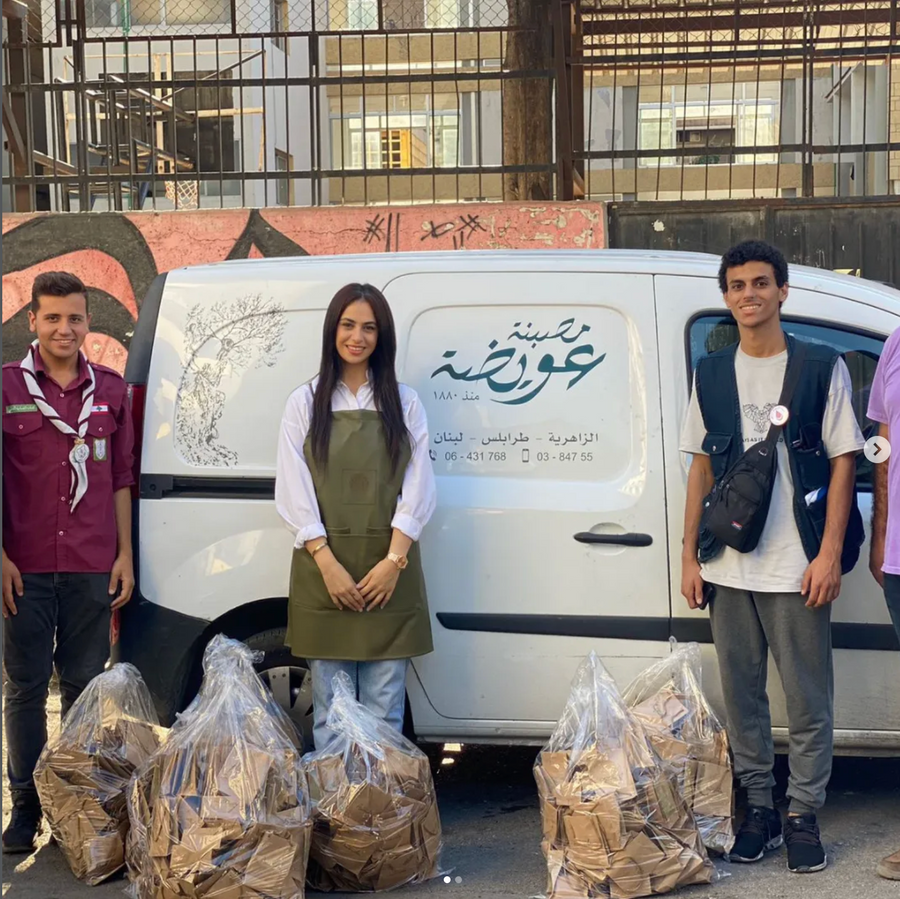
Masbanat Awaida is the workshop's name. Roots 1880 is the label used for our international range. When you see Roots 1880 on a box, you are seeing soap from the same Awaida family workshop in Tripoli.
For U.S. customers, stock is held in Boston and orders ship from there. The soap's journey begins in Lebanon; the final delivery begins in the United States.
From the Factory · من المصبنة
Notes from the workshop.
Notes on olive oil soap, the work inside our Tripoli workshop, and the traditions behind the range. Read about ingredients, methods, and the small details you notice when you use a bar.
 Latest story
Why Pure Olive Oil Soap Makes a Creamy, Low-Bubble Lather
Learn why pure olive oil soap creates a dense, creamy lather with fewer large bubbles than many other soaps.
Read the story-
 02
What “First Press” Means Before Olive Oil Becomes Soap
Learn what first-press olive oil means, how it differs from oil recovered from olive...
-
 03
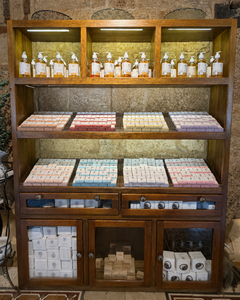
Why Tripoli Became One of the Levant’s Historic Soap Cities
Explore how northern Lebanon’s olive-growing region and Tripoli’s workshops shaped the city’s historic soapmaking...
-
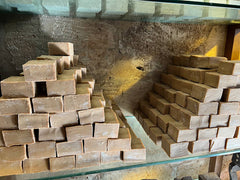 04
Souri Baladi and Ayrouni: The Olive Varieties Around Tripoli
Meet Souri, Baladi, and Ayrouni olives in northern Lebanon and learn how regional varieties...

Featured by Business Insider
See the workshop on film
Business Insider spent a day inside the workshop for its Still Standing series.
The range
Choose your first bar
Start with the unscented Traditional olive oil soap, follow a favorite floral, or discover the range in a mixed box.