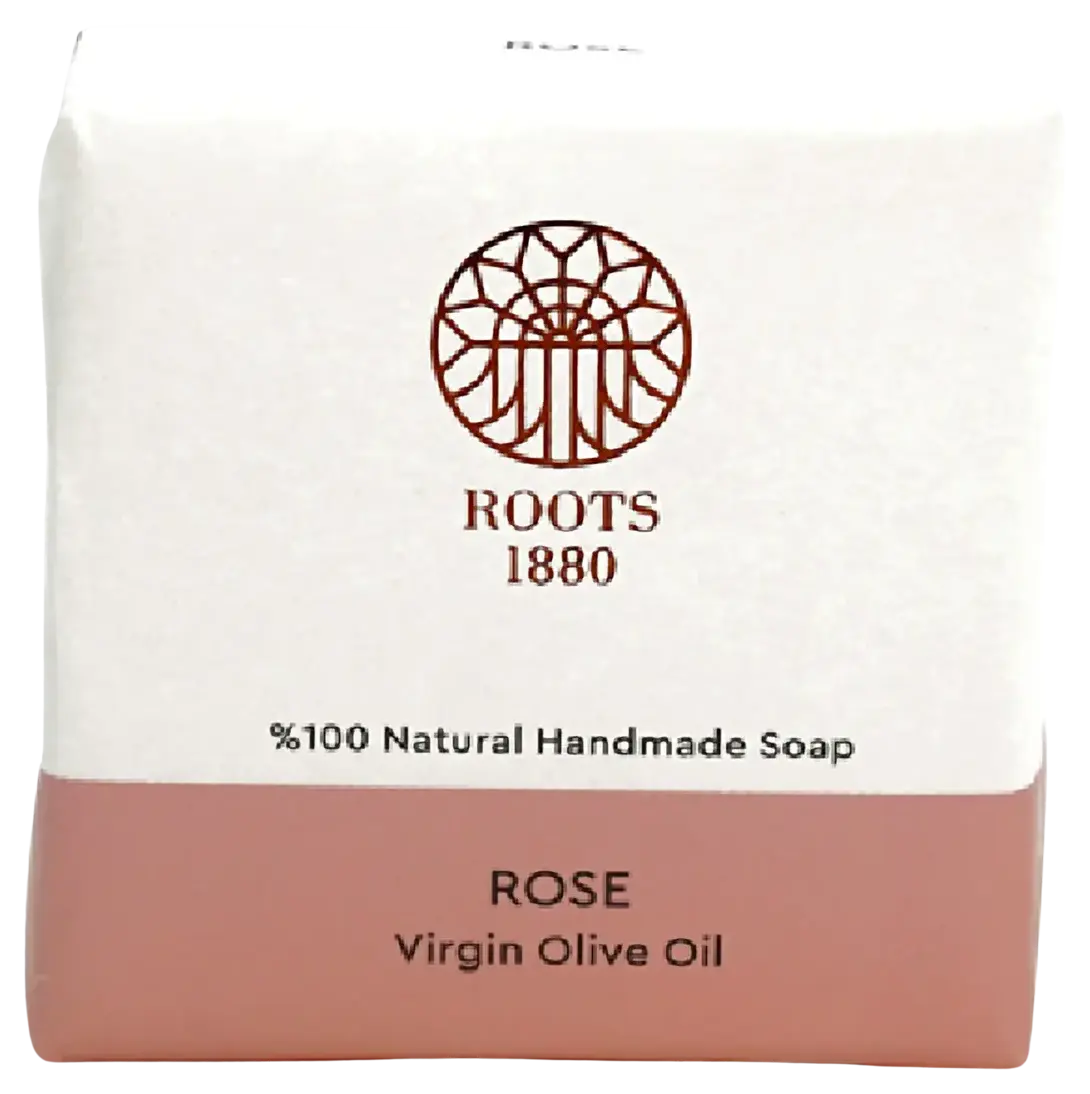
Rose Soap
$12
Lebanon's oldest soap workshop
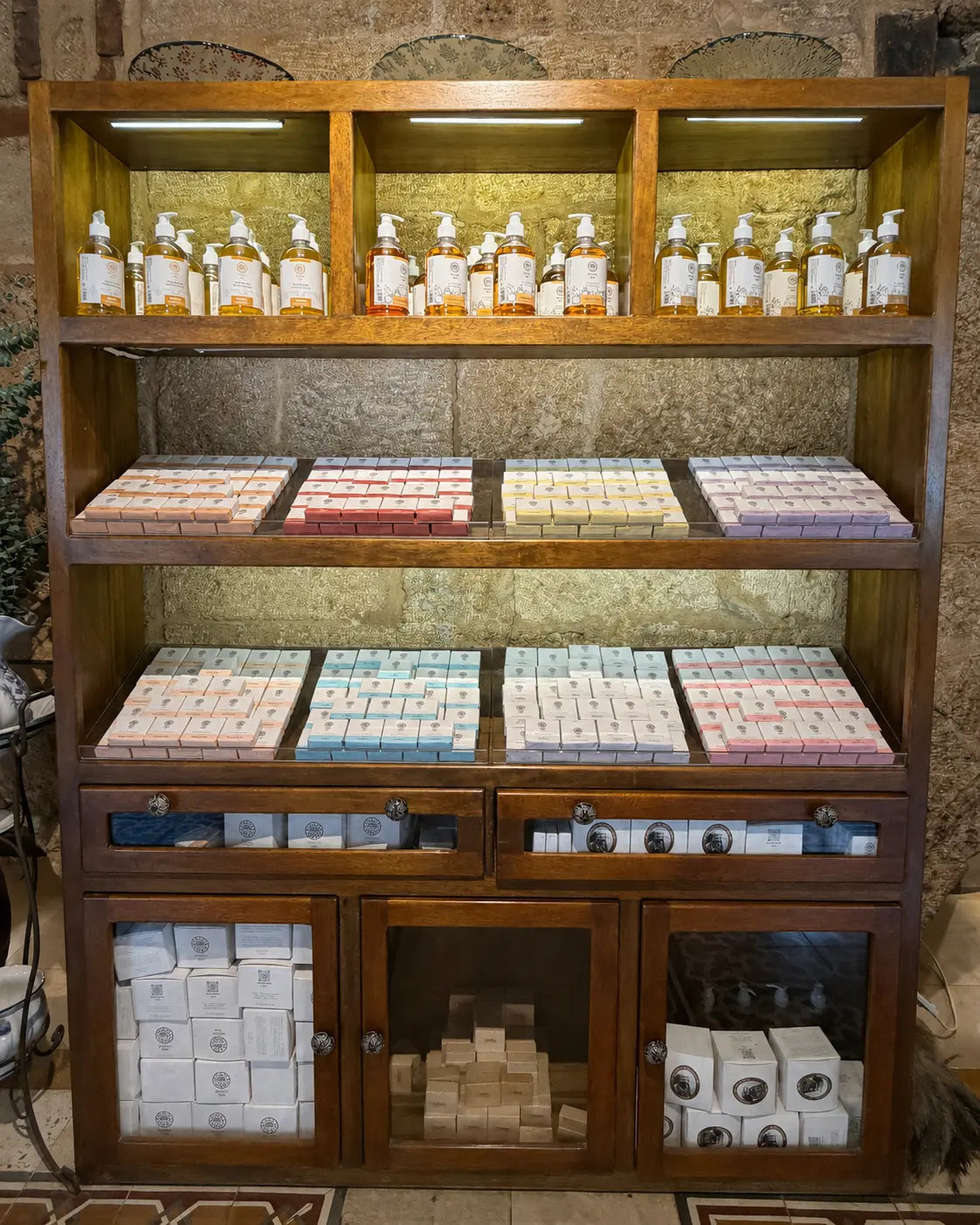
First-press olive oil from family-owned groves around Tripoli, transformed into pure and perfumed soaps by the Awaida family.
صابون زيت الزيتون من طرابلس
The richest first extraction of Lebanese olives—never a lesser oil reserved for soapmaking.
العصرة الأولى فقطFlowers, woods, herbs, and resins distinguish the city’s Mediterranean soap tradition.
معطّر في طرابلسCooked, cut, finished, and wrapped in the Awaida family workshop in Tripoli.
صناعة عائلية منذ ١٨٨٠The mountains surrounding Tripoli are an ancient olive landscape. Rain-watered trees grow slowly in limestone-rich earth, concentrating the character of the fruit. Our oil comes from family-owned groves in this region and is used exclusively from the first press—the purest, richest expression of the harvest.
For the workshop, olive oil is not an inexpensive base hidden beneath fragrance. It is the material that determines how the bar feels, how gently it cleanses, and how beautifully it lasts through daily use.
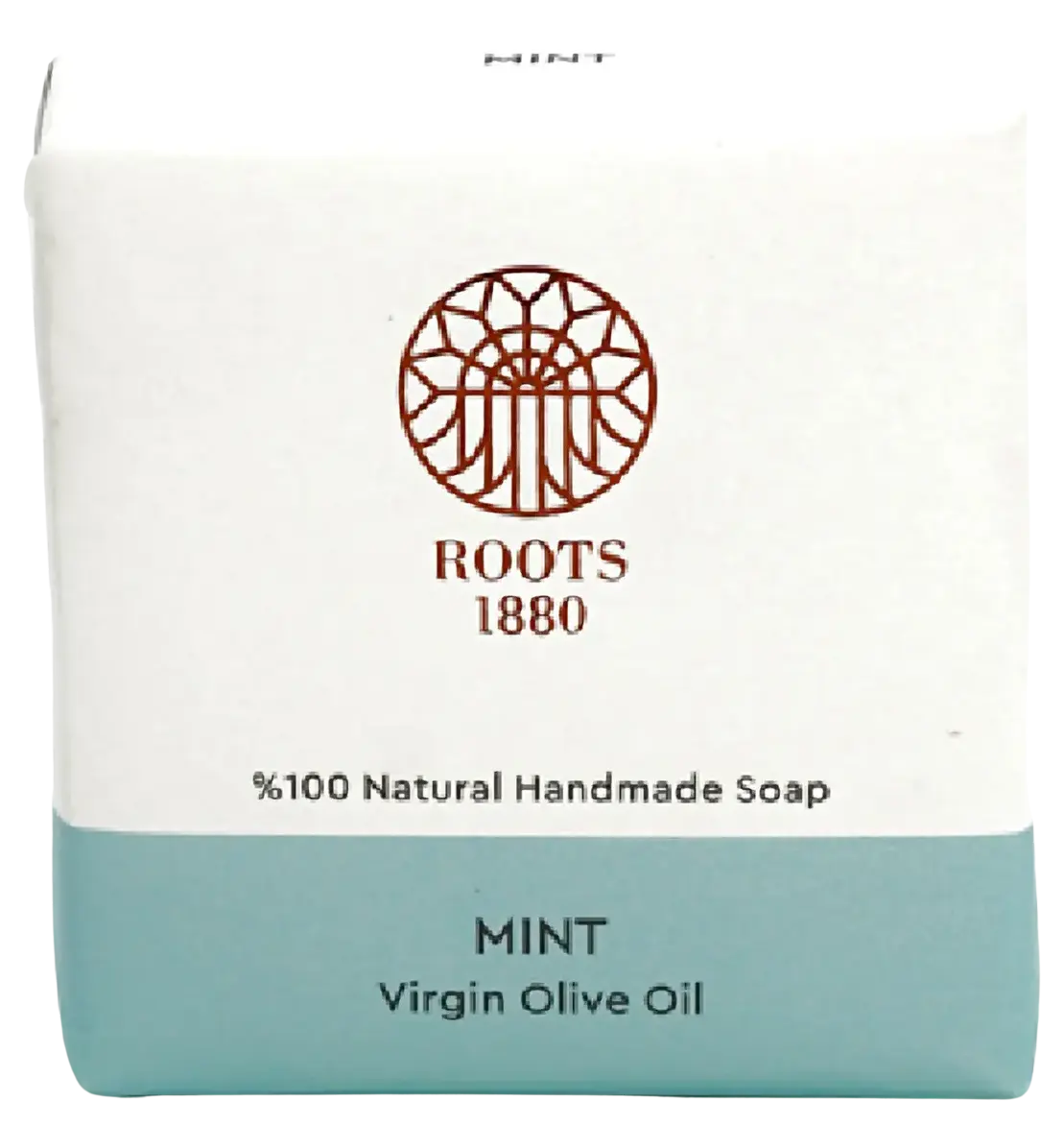
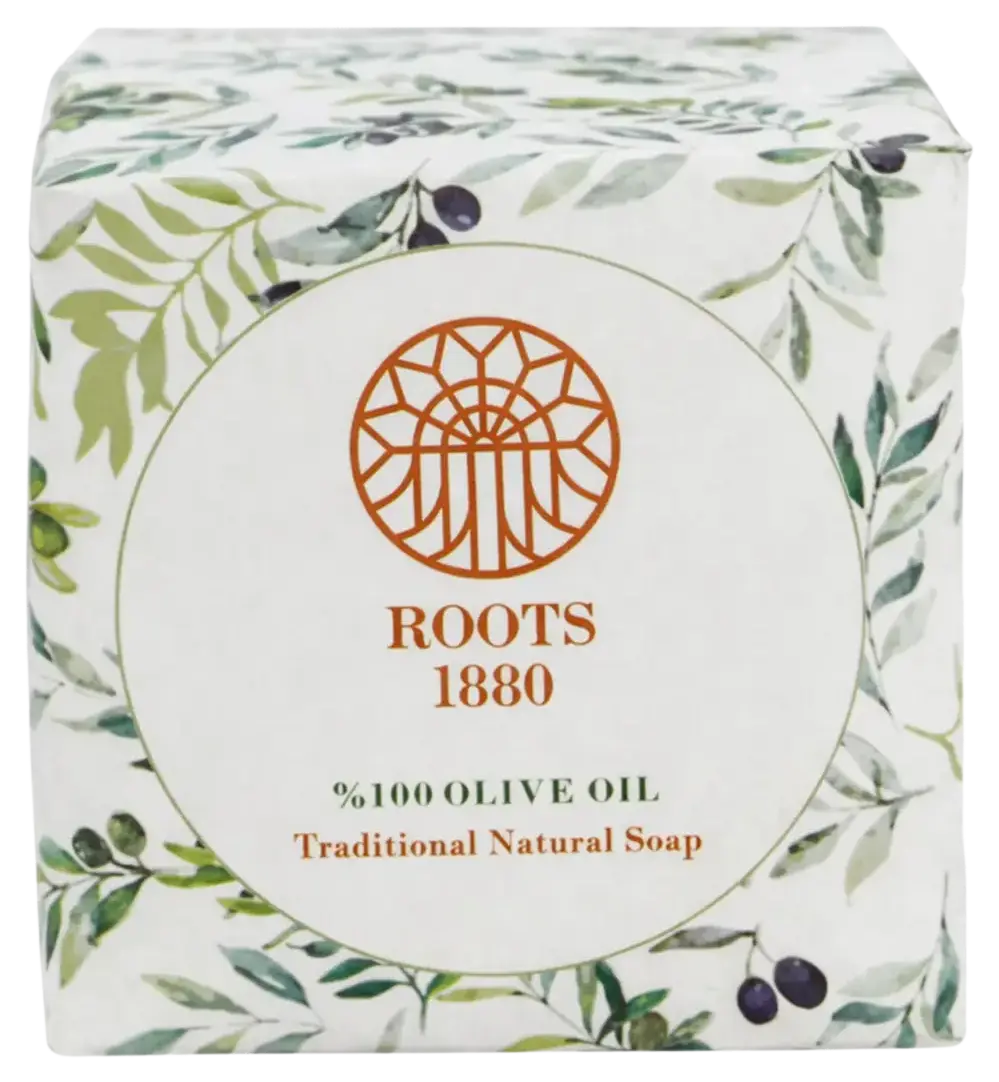
The bars people order first, and the ones they come back for. Free U.S. shipping over $35.
Original 1880 family recipe bar
Purifying daily activated charcoal bar
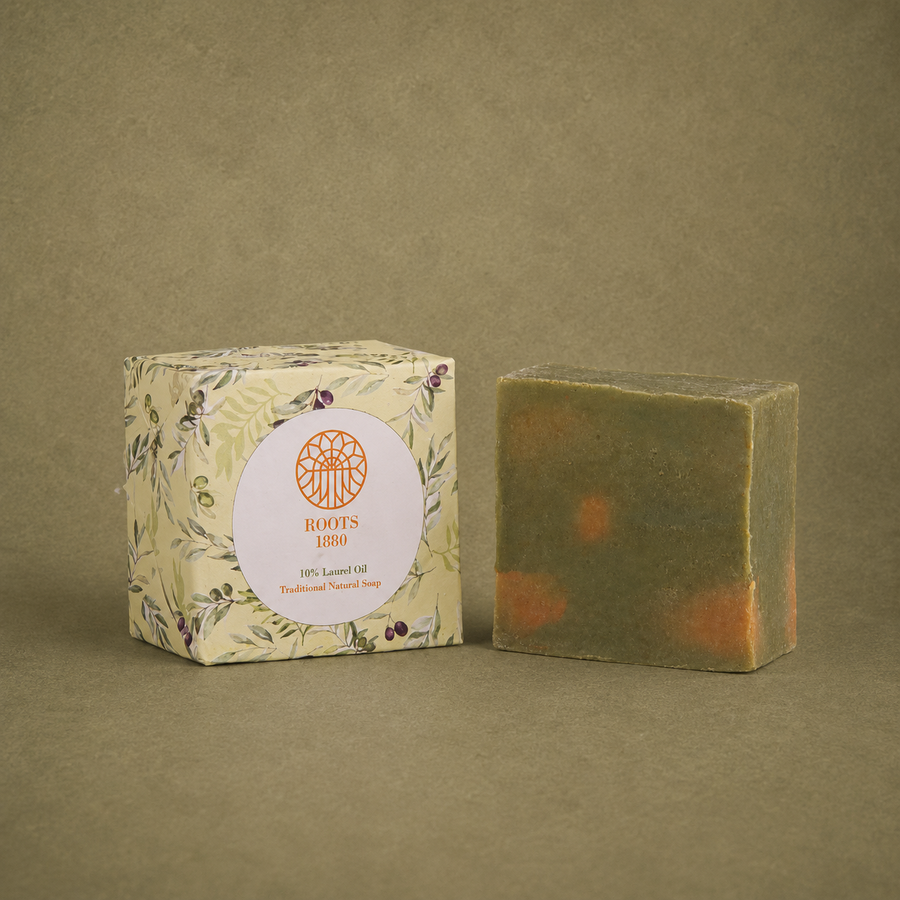
Rich 10% bay laurel blend
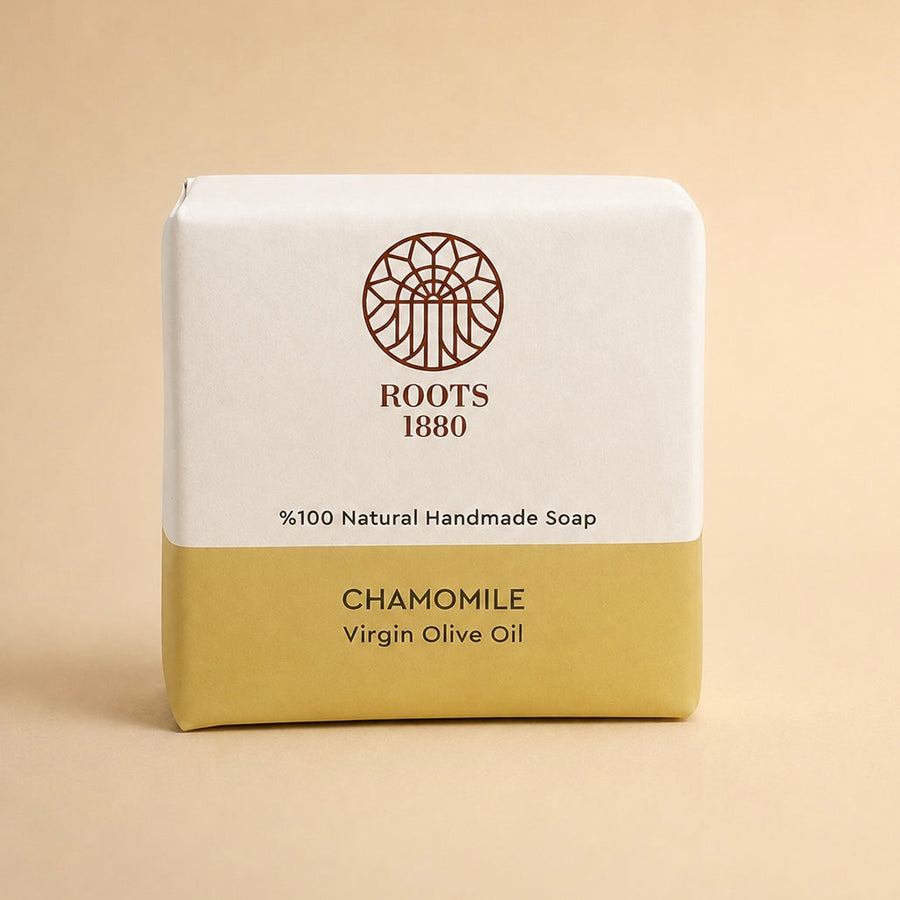
Gentle floral chamomile cold-pressed soap
Handmade in Tripoli · Ships from the U.S. · Free shipping over $35
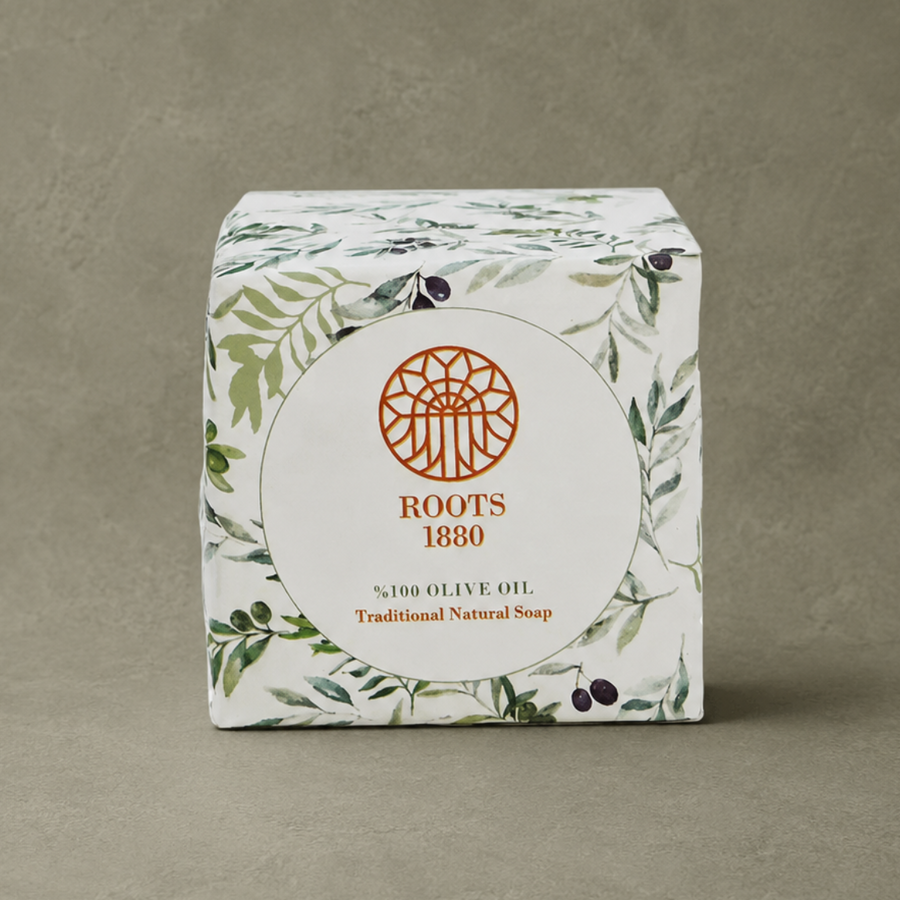
The pure, unscented first-press olive oil original.
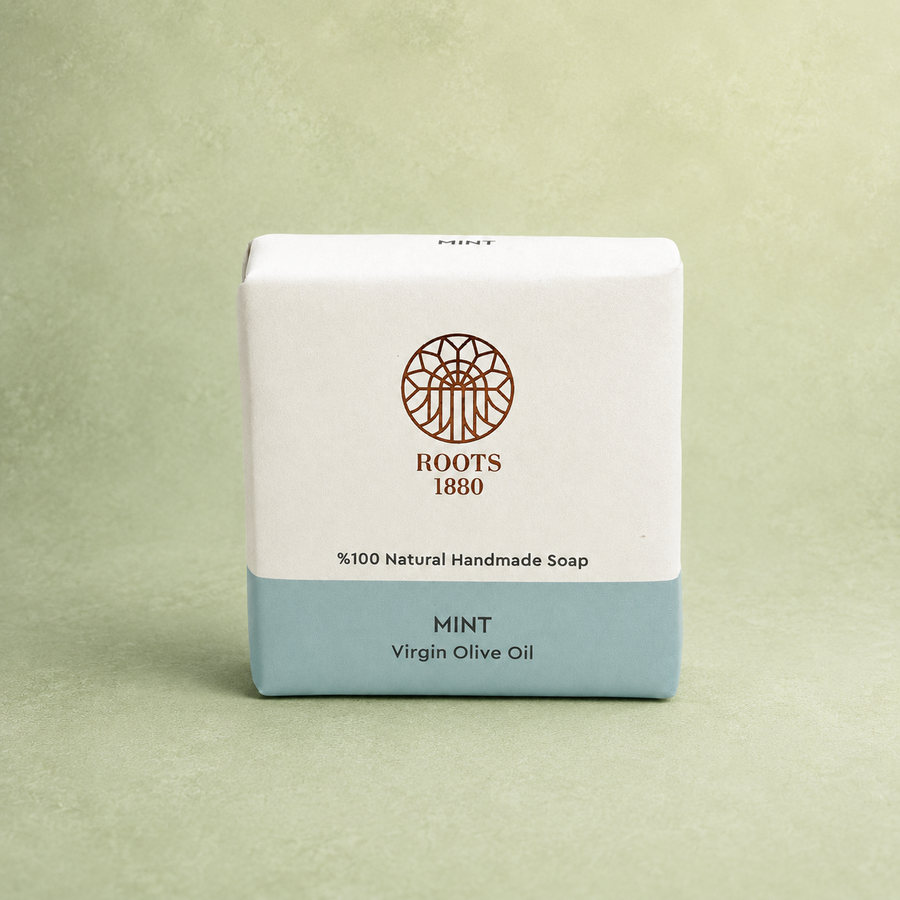
Mint, lavender, laurel, and botanical blends.
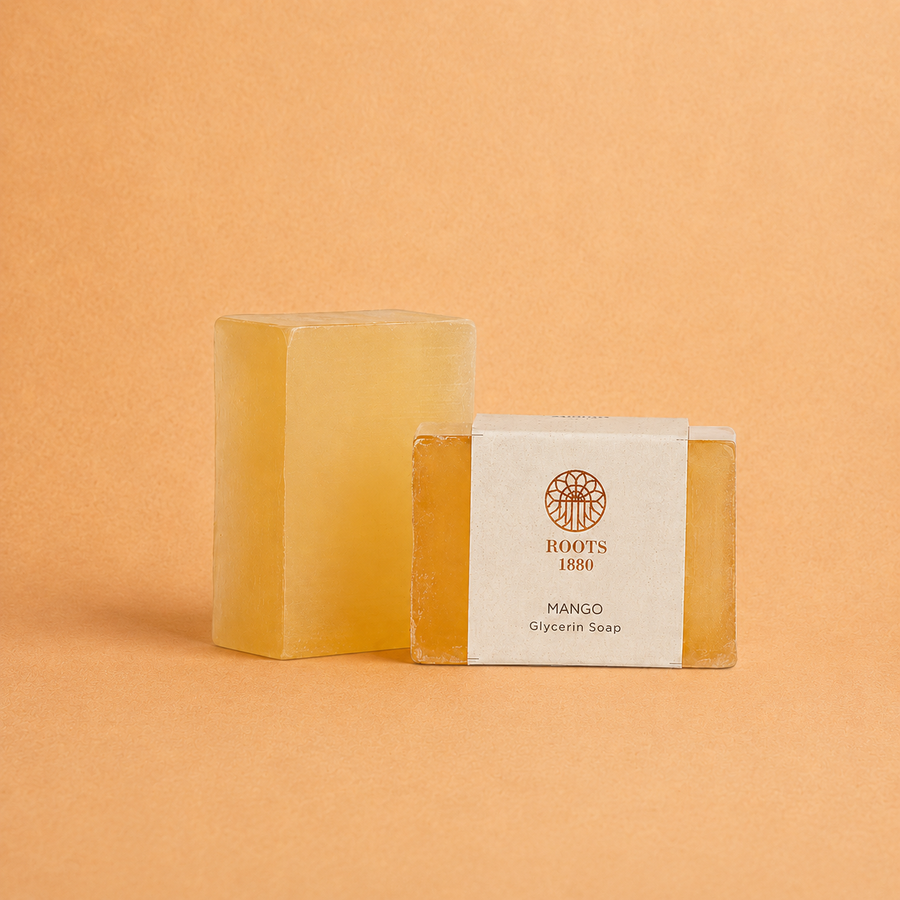
Bright translucent bars in Tripoli-inspired scents.
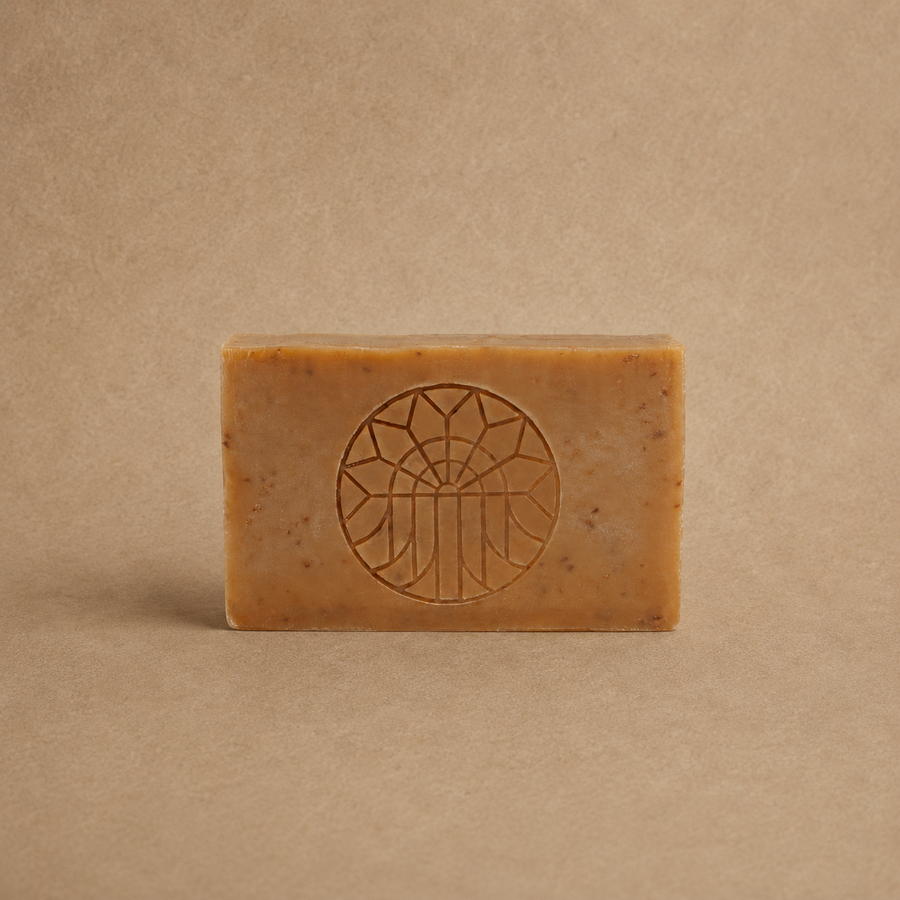
Charcoal, honey, wheat, shea, and focused formulas.
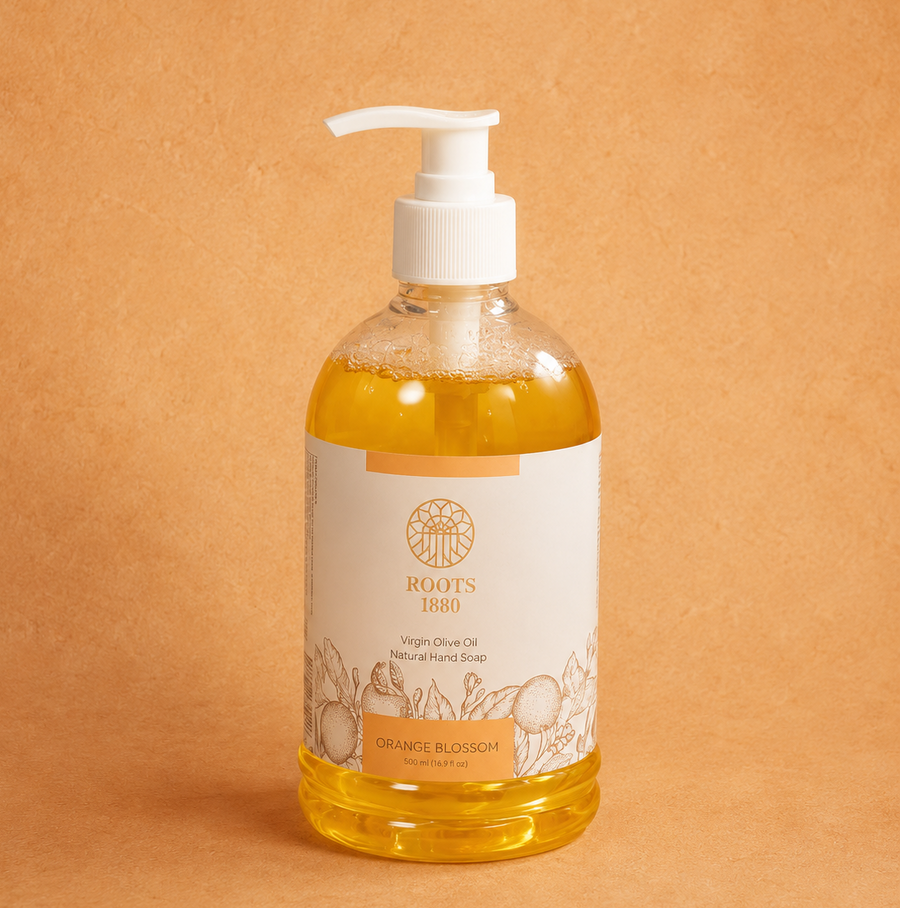
Generous bottles for the sink and bath.
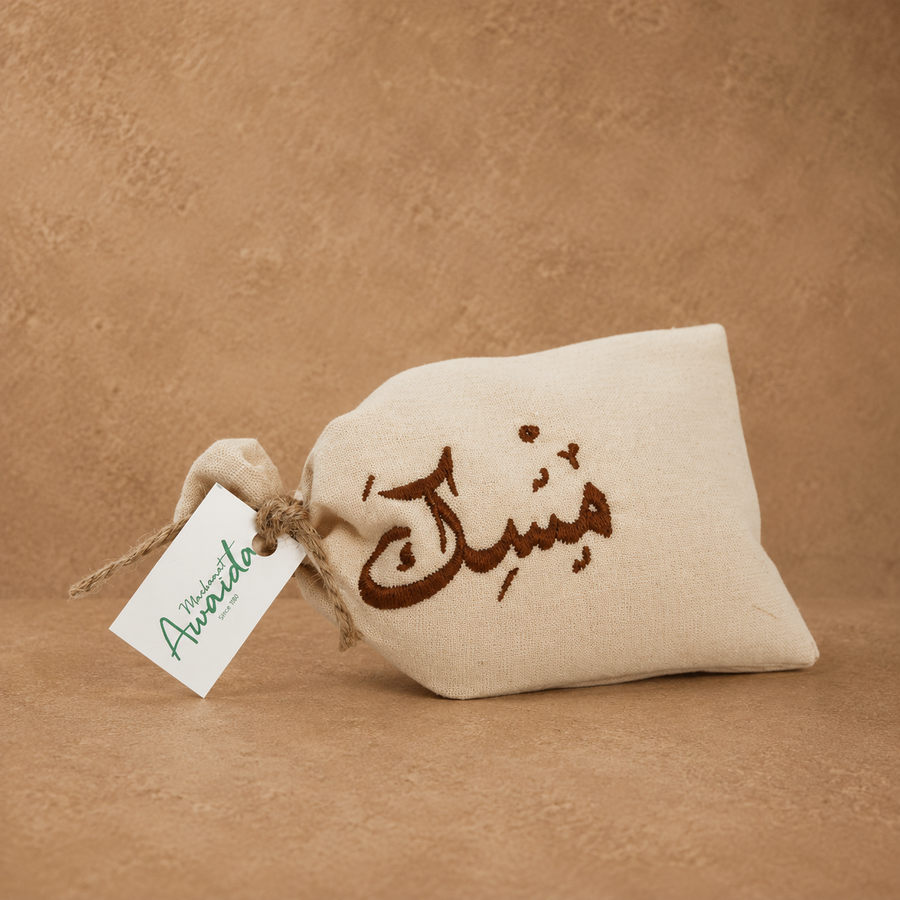
Perfumed soap shavings for drawers and linens.
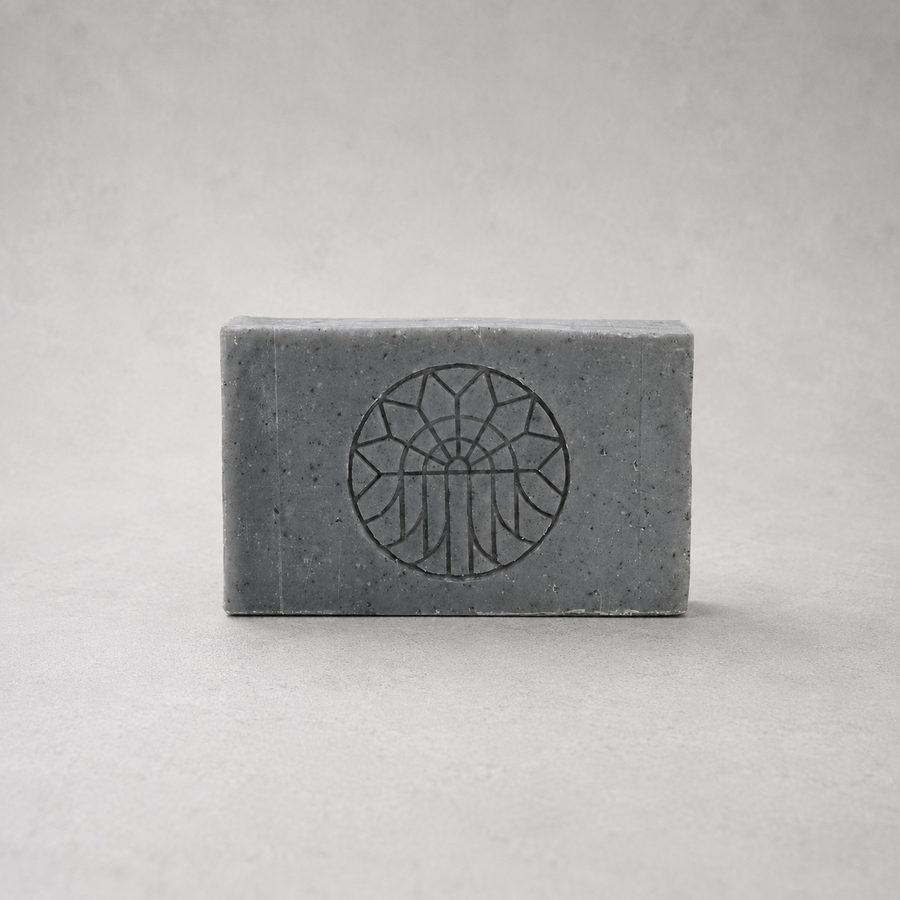
Charcoal, honey, loofah, and expressive formulas.
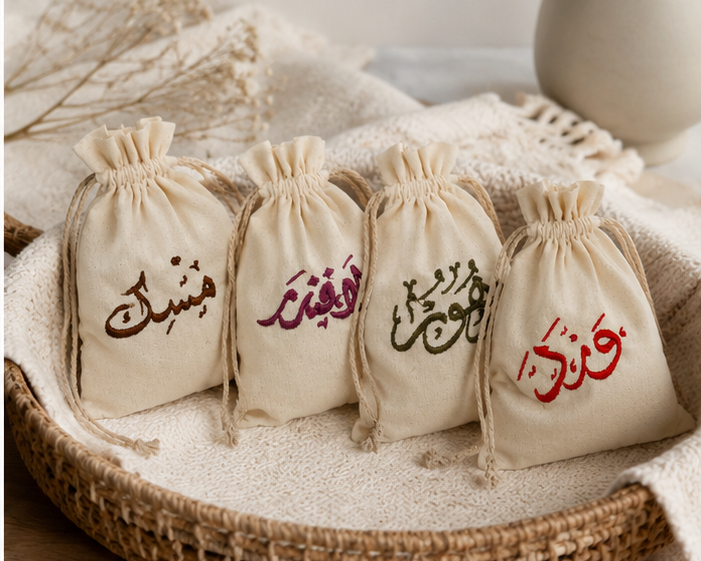
Choose the scents, formats, and quantities that belong together.
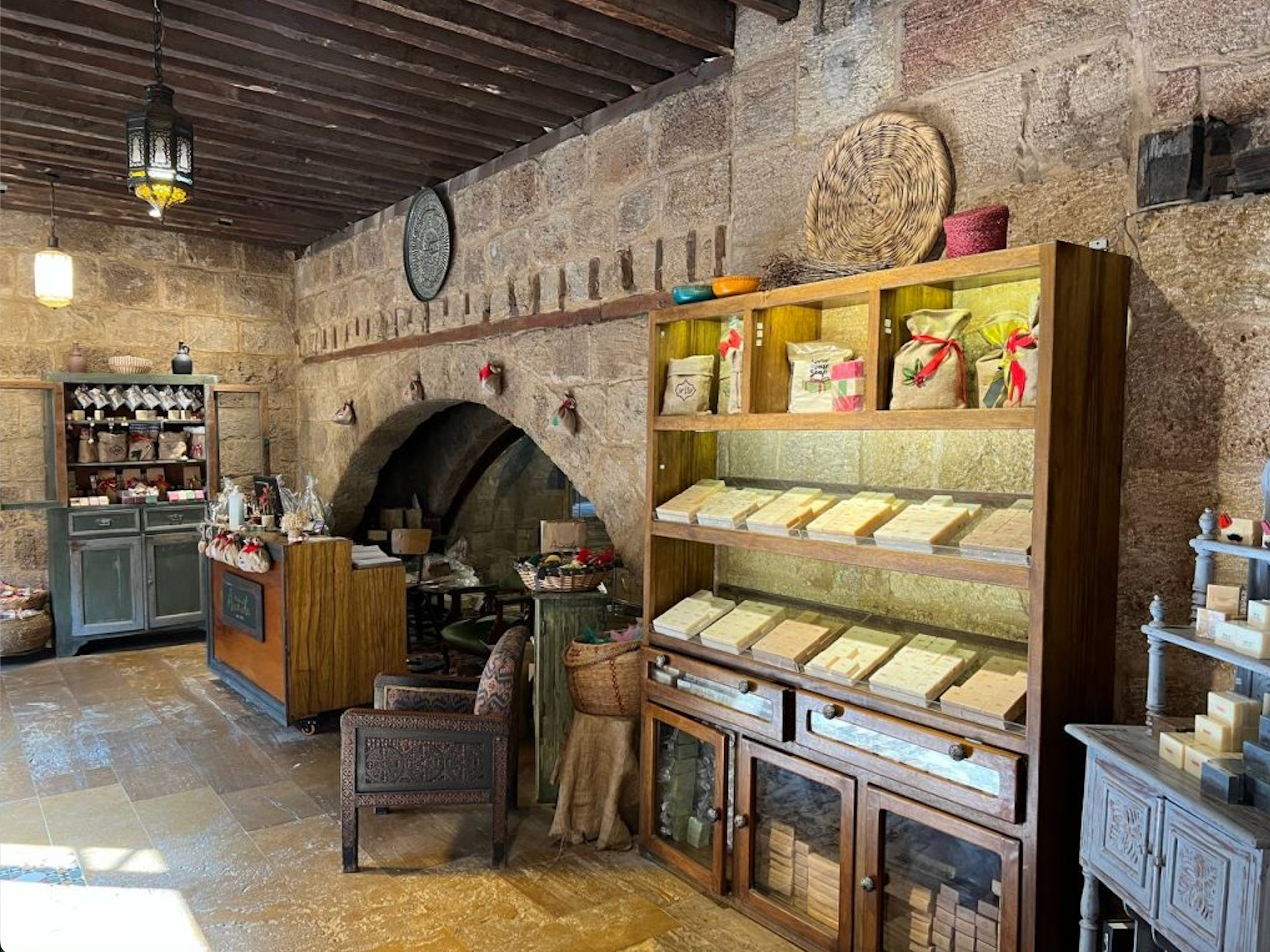
The Awaida family soapworks · Tripoli, Lebanon
As a coastal city within the Ottoman world, Tripoli traded across the Mediterranean. Its soapmakers encountered European perfumery and a world of aromatic materials, developing a local tradition of scenting olive oil soap with flowers, woods, herbs, and resins.
This is the other side of our heritage: not only the honest, unscented household bar, but soaps made expressive through rose, jasmine, musk, oud, lavender, mint, and orange blossom.
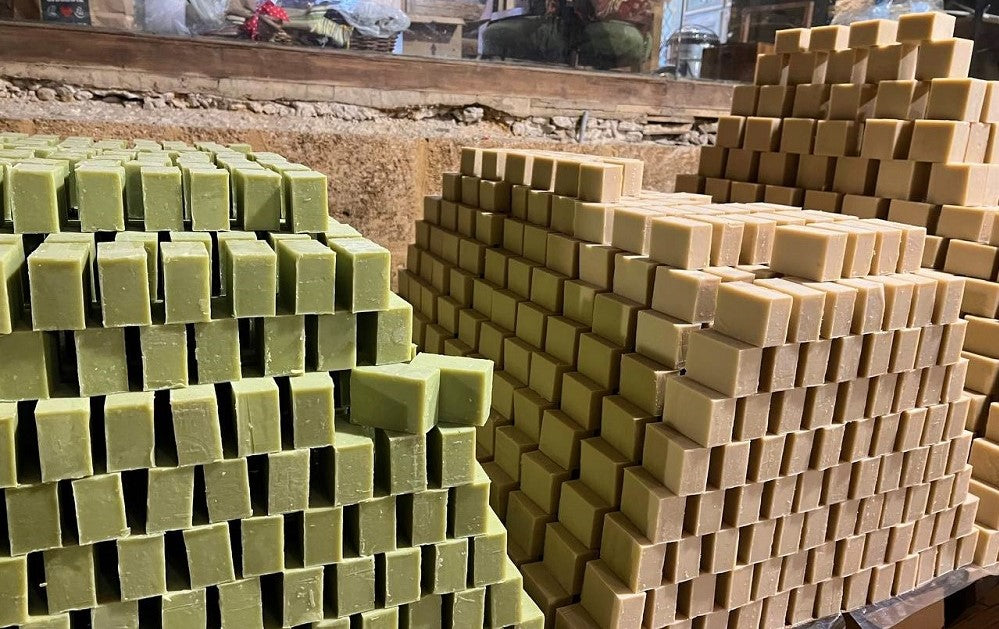
Craftsmanship is not a finishing touch at Masbanat Awaida. It shapes every bar from the moment first-press olive oil enters the workshop. The soap is slowly cooked, poured, cut, stamped, and handled by craftspeople whose knowledge has been passed down through generations.
That continuity gives each bar its character. Small variations in the surface and stamp are traces of the hands that made it—not flaws to be engineered away. The result is honest, tactile soap rooted in Tripoli’s living tradition.
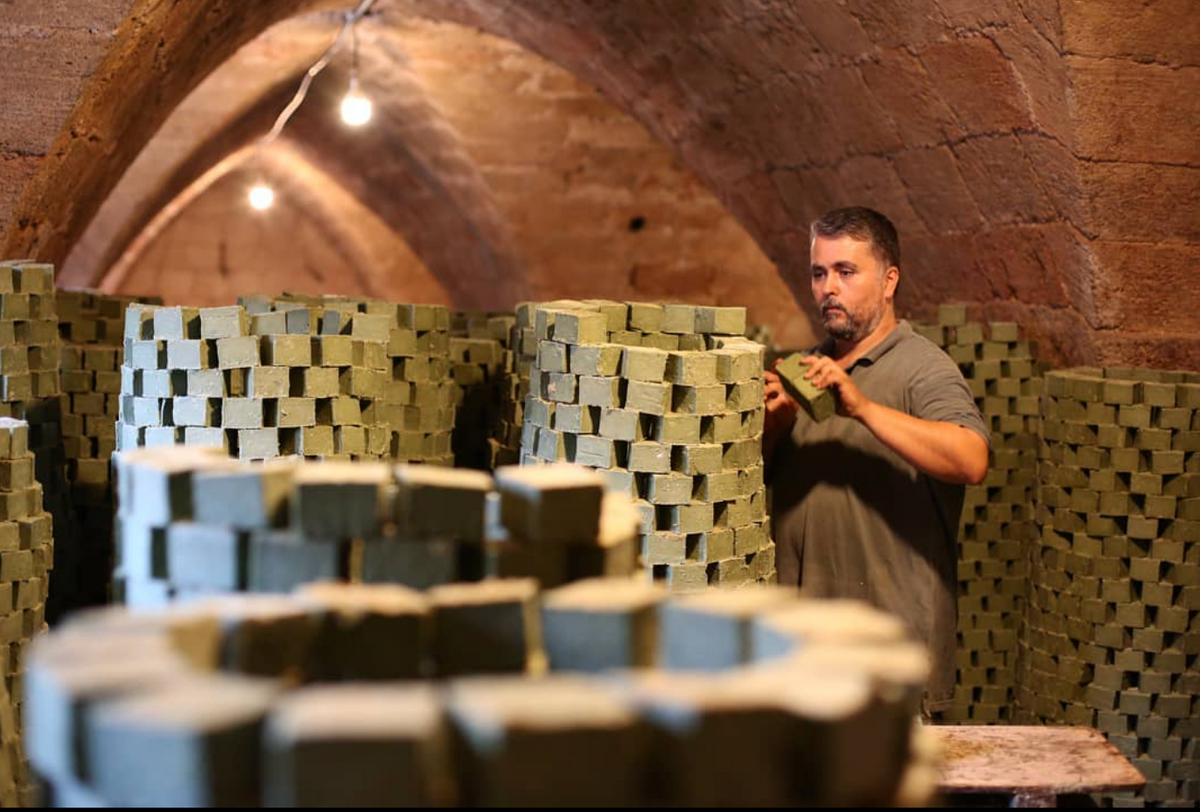
The method serves the ingredient. Every deliberate, tactile stage protects what the olive oil gives the finished bar. Small batches are slowly cooked, poured, hand-cut, stamped, and then left to cure in the workshop air. Nothing is rushed, because time creates the dense feel, gentle lather, and lasting bar that define the finished soap.
For independent retailers, hotels, spas, and thoughtful gifting programs. Build an assortment across traditional olive oil bars, perfumed soaps, liquids, sachets, and specialty formulas—with wholesale guidance from our U.S. team.
“This is the first soap I’ve reordered without thinking twice. My skin hasn’t felt this good in years.”Sarah M. · New York
“My grandmother brought soap like this back from Lebanon. It is exactly as I remembered.”Revital G. · Los Angeles
“Bought a bar as a gift, kept one for myself, and now I order four at a time.”Rami K. · Boston